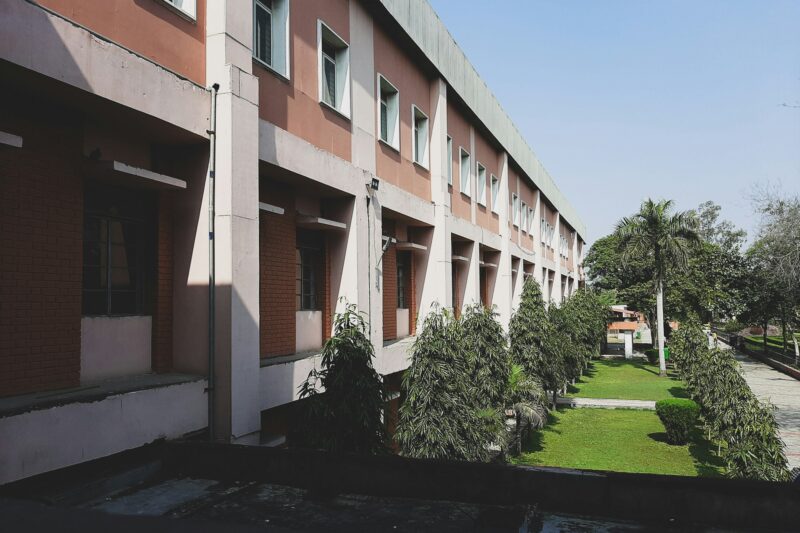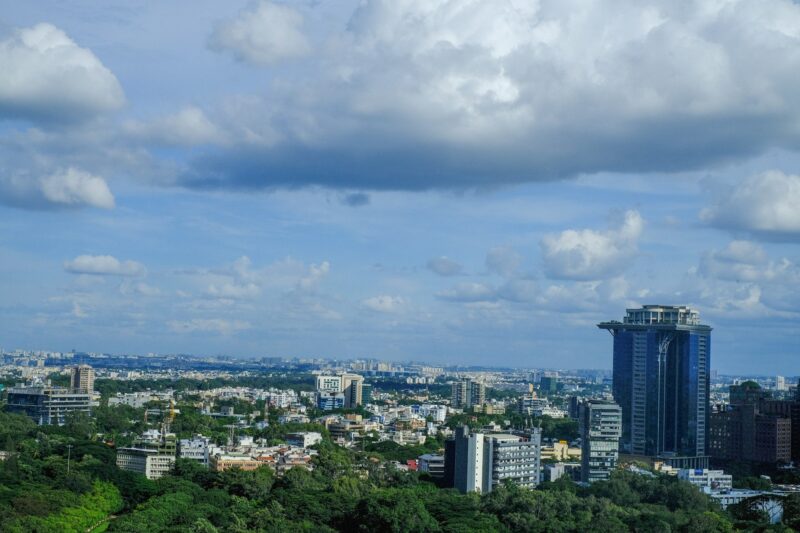
The University of Liverpool officially opened its campus in Bengaluru on 15 October 2026, the university said in a release the same day. Liverpool formally opens Bengaluru campus 17 months after India’s education ministry granted it permission, a short run from paperwork to podium by the standards of international branch campuses. The campus is at Alembic City in Whitefield, and the university describes it as the first Russell Group university campus in Karnataka.
Close to 300 students have started in the first cohort. The vice-chancellor, Professor Tim Jones, said the university was “incredibly proud to have officially opened our first international campus in over 20 years”. The campus received its letter of approval from the University Grants Commission (UGC) on 5 June 2026, according to an earlier university release.
What is being taught
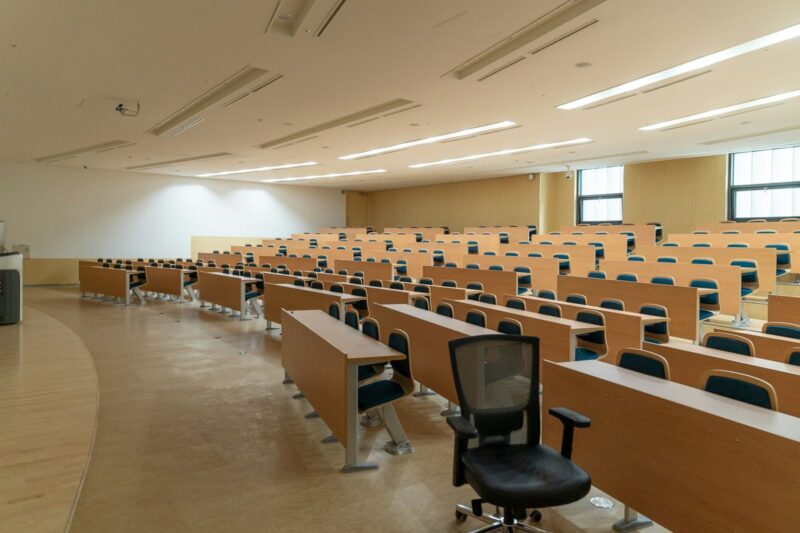
The university lists five subjects: computer science, game design, business management, accounting and finance, and biomedical sciences. It says the building has smart classrooms, research and innovation spaces, collaboration hubs, specialised laboratories and access to Bloomberg terminals. A lecture theatre has been named after the Nobel laureate Har Gobind Khorana.
At the opening the university signed agreements with the National Centre for Biological Sciences, Bell Integration and Sai Life Sciences, and announced a seed fund with the Indian Institute of Science. The Greater Bengaluru Authority and the Liverpool City Region signed a joint declaration of intent. The terms of these agreements were not published.
Steve Rotheram, Mayor of the Liverpool City Region, attended as part of the city region’s first trade mission to India, which began on 12 October, according to the region’s Growth Platform. “This is a massive moment for the University of Liverpool and for our relationship with India,” he said in the university’s release.
Emeritus, an education company, names Liverpool as one of seven foreign universities in India for which it acts as joint venture partner, in a release dated 15 October. The ownership and financial terms of that arrangement have not been published.
Liverpool formally opens Bengaluru campus: the road to opening day
The ceremony closed a course the university set out in May 2025, when India’s education minister granted permission for the campus at an event in New Delhi and the university named its first five subjects and an August 2026 target for first admissions. The same announcement listed memoranda of understanding with the Royal College of Obstetricians and Gynaecologists, AstraZeneca Pharma India, YouWeCan and Dream11, with Wipro and Axis Bank due to sign later that week, and cited existing research links with the National Institute of Mental Health and Neurosciences and the Indian Institute of Science.

| Date | Milestone |
|---|---|
| 26 May 2025 | India’s education minister grants permission in New Delhi; UGC issues a letter of intent |
| 15 December 2025 | The university breaks ground at its new Bengaluru campus |
| 5 June 2026 | UGC letter of approval received, at an event attended by the UK foreign secretary |
| 2026-27 academic year | First cohort of close to 300 students begins across five subjects |
| 15 October 2026 | Liverpool formally opens Bengaluru campus at Alembic City, Whitefield |
The speed is part of the story. Liverpool formally opens Bengaluru campus 17 months after the New Delhi ceremony, and the May 2025 announcement already read like a prospectus: the five subjects now taught in Whitefield were all named on day one, together with an August 2026 target for first admissions, and close to 300 students were in their seats by opening day. Alison Barrett, the British Council’s country director for India, said at the time that the campus marked “a major step forward in the UK-India education partnership”. For other universities weighing the UGC route, a year and a half from ministerial permission to a working campus is now the timetable to beat.
What the next intake will pay to apply
The campus is already recruiting its second intake. Applications are open for undergraduate and postgraduate programmes beginning in 2027, according to the campus admissions site, which sets an application fee of Rs 1,500, a refundable admission fee of Rs 50,000 payable on accepting an offer, and a refundable security deposit of Rs 50,000. Tuition is paid in stages: 20% on acceptance, 30% before the first semester and 50% before the second. Merit and need based scholarships run to Rs 5 lakh a year.

Entry requirements give a measure of where Liverpool has pitched the campus. Undergraduates need a minimum 75% average across four core Class 12 subjects, or A levels at ABB, or 32 points in the International Baccalaureate, with no separate admission test. Postgraduates need a recognised bachelor’s degree at 55% or better. The site notes a separate fee structure for foreign, NRI and OCI applicants, but tuition amounts themselves sit on individual programme pages rather than in the published admissions material.
What is not disclosed
The university has not given tuition fees, the investment in the campus, the number of academic staff, the split of the first cohort between undergraduate and postgraduate study, or targets for later intakes.
What it means
TED analysis:
- For UK universities: Bengaluru now has an operating Russell Group campus teaching computing, business and finance, the subjects most foreign campuses in India lead with. Later entrants to the city will compete for the same students, employers and placement partners.
- For operators and suppliers: with an operating partner handling non-academic functions, buying decisions on student services, property and admissions technology may sit with the partner as much as with the university.
- For investors: a first cohort of close to 300 is a modest base. The economics will depend on fees and on growth in later intakes, and neither has been disclosed.
- For families comparing options: the published entry bar, 75% in Class 12 or ABB at A level, places the campus against India’s selective private universities rather than the most selective public institutes, and the scholarship ceiling of Rs 5 lakh a year gives a first clue to where fees will sit.