
The University of Western Australia (UWA) has received final approval from India’s University Grants Commission (UGC) for an international branch campus in Chennai, the university announced on 5 October 2026. Student orientation began that day and classes start on 19 October 2026. The timing stacks one milestone on another: final UGC approval for Chennai campus, University of Western Australia (UWA) Mumbai having opened only weeks earlier.
Chennai is UWA’s second Indian campus in a month. UWA Mumbai opened on 18 September 2026 and was inaugurated by the Premier of Western Australia, Roger Cook, and the Chief Minister of Maharashtra, Devendra Fadnavis, according to The PIE News. UWA says it is the first foreign university to launch two campuses simultaneously in India, the first foreign higher education provider in Tamil Nadu, and the first Australian and Group of Eight university to receive UGC approval in Chennai.
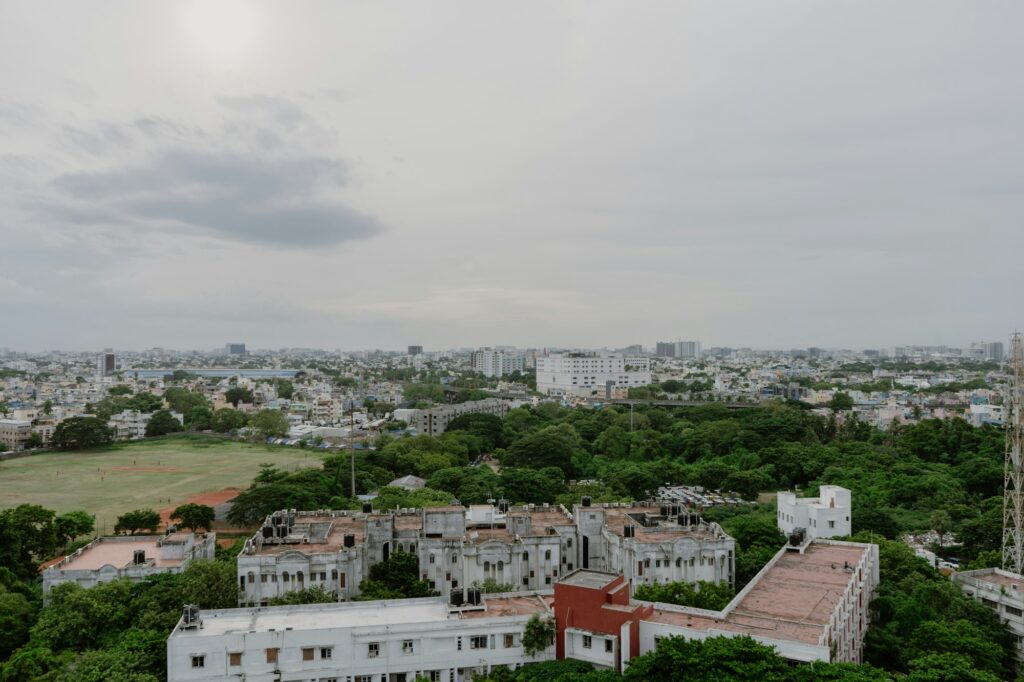
Programmes, site and money
- Undergraduate degrees: Bachelor of Business (Business Management), Bachelor of Science (Computer Science), Bachelor of Science (Data Science) and Bachelor of Advanced Computer Science (AI).
- Postgraduate degrees: Master of Information Technology and Master of Business Administration.
- Site: around 70,000 sq ft on the seventh floor of One National Park on Velachery Main Road, according to The PIE News, citing The Indian Express.
- Investment: the campus is part of a long-term A$80 million commitment to wholly owned campuses in India, UWA’s announcement says. The amount allocated to Chennai is not stated.
- Government links: the release cites the Western Australian Government, through Invest and Trade WA, and government-to-government relationships. The Chief Minister of Tamil Nadu, C Joseph Vijay, welcomed UWA to Chennai in the release.
The vice-chancellor, Professor Amit Chakma, said the university aims to draw on the Western Australian Government’s presence in the region and on long-term academic partnerships. The chancellor, Dr Diane Smith-Gander, said the university’s ambition is to give Indian students an education with the depth of a UWA degree.
UGC approval for Chennai campus: University of Western Australia, UWA Mumbai and the two-city bet
The Chennai clearance completes a sequence that began in Mumbai rather than following it: before the UGC approval for Chennai campus, University of Western Australia (UWA) Mumbai had already opened its doors in Andheri East. UWA’s announcement of the Mumbai launch, dated 18 September 2026, places the site close to the city’s corporate, financial and technology districts, the airport and the Metro, and lists courses spanning computer science, cyber security, data science and artificial intelligence alongside business management, global business, an MBA and a Master of Information Technology.
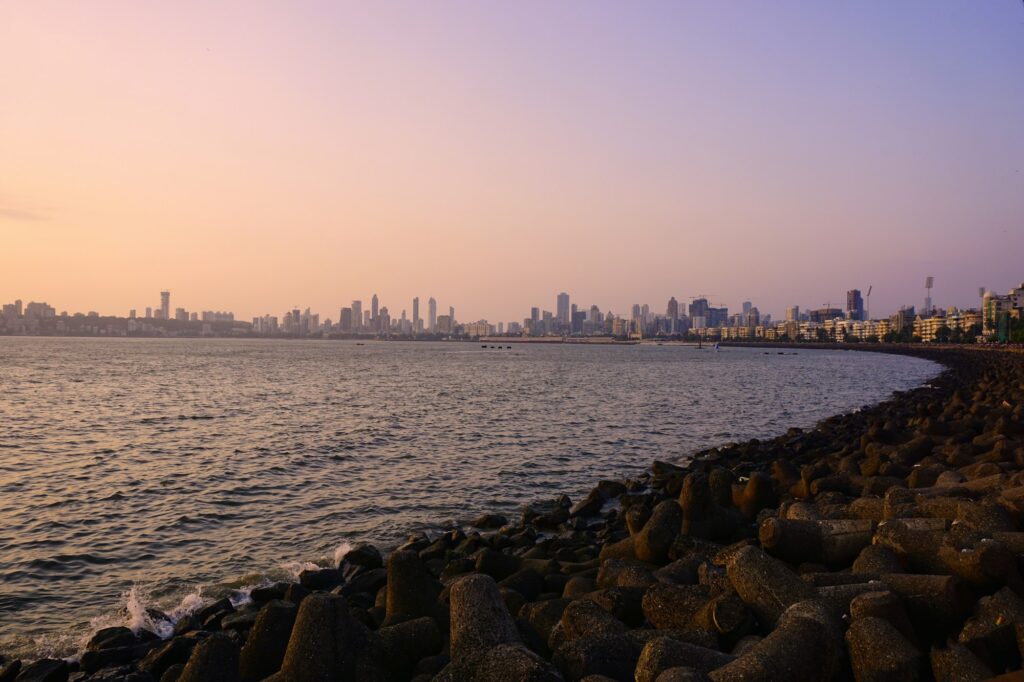
The Mumbai launch was a political set piece as much as an academic one. Premier Roger Cook noted that “Western Australia has maintained a presence in Mumbai for 30 years”, and Fadnavis said the campus reinforces Mumbai’s position as a global centre for education, business and innovation. Professor Chakma’s framing was economic: “India is one of the world’s fastest-growing economies and is investing heavily in education, innovation and research.” The announcement describes the two Indian campuses as self-funded, with an initial investment of A$80 million. A government-to-government thread runs through both ceremonies: Invest and Trade WA is named in the Chennai release, and the Premier flew in for the Mumbai opening alongside the Maharashtra chief minister.
Scholarships, fees and who is applying
The commercial questions now move past the UGC approval for Chennai campus. University of Western Australia (UWA) Mumbai and its new sibling will initially offer the same business and technology courses, including a 12-month MBA starting in November, with Chennai expected over time to lean towards IT, manufacturing and engineering links while Mumbai leans towards business, The PIE News reported on 22 September.
The same report said UWA has announced 140 scholarships and bursaries, three of them full scholarships funded jointly with the Maharashtra government, and that about 8% of those registering interest are from outside India, spread across roughly a dozen countries in the region. UWA has not published its Indian tuition fees; The PIE News cited sector-wide averages for foreign branch campuses in India of about Rs 13.3 lakh a year for undergraduate study and Rs 17.2 lakh for postgraduate courses, well above typical fees at leading Indian private universities. Professor Chakma told the publication the first cohort would be relatively small, and that to UWA where students study is secondary to what they study.
Targets and what is not disclosed
UWA expects 100 to 200 students across Mumbai and Chennai by the end of 2026, and plans to reach at least 10,000 students across both cities over the next decade, The PIE News reported. UWA told the publication its India investment has created about 100 direct jobs and around 700 more beyond the university. Its existing industry network includes HCLTech, Larsen & Toubro and AirTrunk, and it is developing links for internships, work-integrated learning and employer involvement.

The release does not give the size of the inaugural Chennai cohort, tuition fees or the date on which the UGC issued its final approval. It mentions scholarships but gives no details of their value or number. How the A$80 million is split between Mumbai and Chennai, and over what period, is not disclosed.
What it means
TED analysis:
- Ownership model: UWA has chosen wholly owned campuses rather than an operating joint venture of the kind several other foreign entrants use. That gives it control of the brand and academic model but leaves it carrying the property and start-up costs directly.
- Ramp-up risk: the gap between 100 to 200 students in the first months and a 10,000-student ambition over a decade is wide. Finance teams at other universities weighing India should note that early cohorts at new foreign campuses are small and break-even depends on years of growth.
- Geography: Tamil Nadu now has a foreign campus with final UGC approval, widening the map beyond Mumbai, Delhi NCR and Bengaluru. State governments are becoming active partners, as the Western Australian and Tamil Nadu roles here show.
- For UK universities: Australian universities are competing for the same Indian students in business, computing and data science, often with state government backing at home. UK entrants will need clear differences in employer links and progression options.