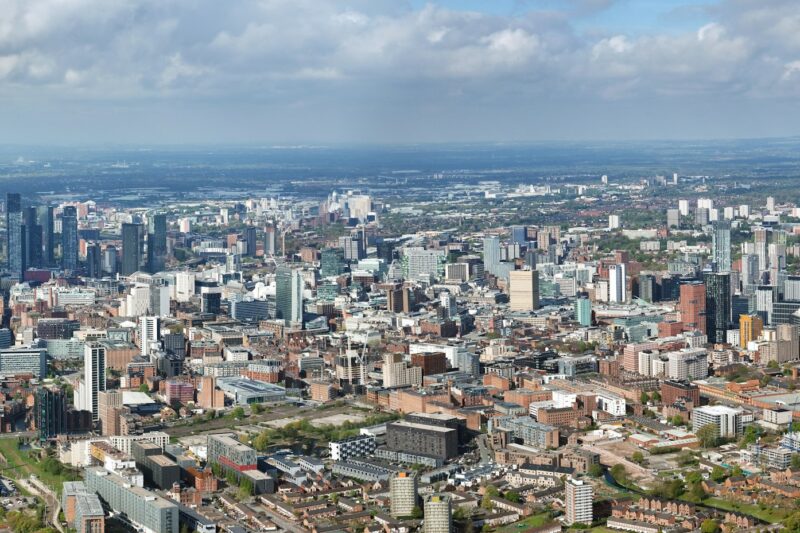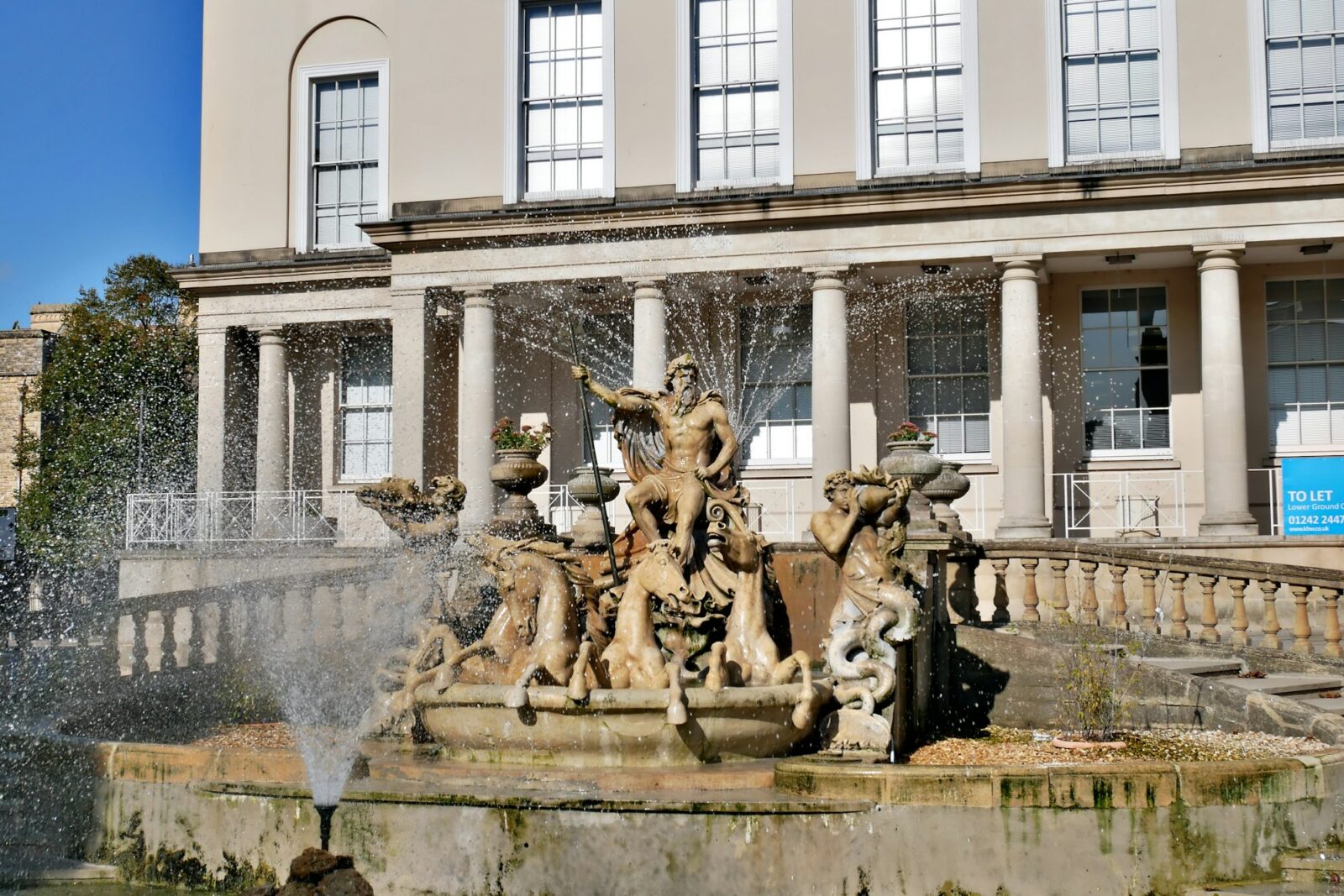
The University of Gloucestershire has put its Francis Close Hall campus in Cheltenham on the market, it said on 14 October 2026. The university is marketing the site through commercial property advisers Avison Young and says interest could cover all or part of the Cheltenham campus.
The university stressed that the move is not a decision to sell or lease, and that it could keep a presence at Francis Close Hall even if a buyer or leaseholder is found. It gave no guide price, no terms and no date for a decision. It said it would consider the interest that comes forward before deciding anything further.
A listed campus with a £14 million backlog
Francis Close Hall dates from 1847, when it was founded as Cheltenham Training College, and the building is Grade II* listed, according to a university consultation page published in October 2025. That page put the campus’s maintenance backlog at around £14 million and said significant modernisation was needed, including changes to make the building fully accessible.
The campus houses humanities, natural and social sciences and creative arts programmes, the university archive and the Countryside and Community Research Institute. In 2025 the university said a specialist agent was assessing options that could include leasing or selling all or part of the site, or repurposing it, and that it expected a decision in 2026.
The new statement says teaching continues as normal and that most programmes taught at the campus will remain there until at least 2029. If any programmes move, they will stay in Cheltenham. The university says there is no immediate change for students or staff.
We are testing the market to understand what interest exists and what ideas may come forward.
Camille Stallard, Chief Financial Officer, University of Gloucestershire
What a buyer of the Cheltenham campus would take on
The heritage constraints are set out in the national register. Historic England’s list entry for Francis Close Hall dates the building to 1849, with later additions and alterations, and names the architect as S W Daukes. It describes a stone building with ashlar dressings and a plain tile roof, laid out on a quadrangular plan with projecting blocks at the rear, and records that it was first listed on 12 March 1955.
Grade II* is a small category. Historic England describes Grade II* buildings as “particularly important buildings of more than special interest” and says 5.5% of listed buildings carry that grade. It also says listed building consent must be applied for to make any changes to a listed building. Any buyer or tenant with plans for the Cheltenham campus would therefore need that consent alongside planning permission, on top of the £14 million of maintenance the university has already identified.
The university has not said which uses it would welcome, beyond keeping the option of staying on part of the site. Its marketing through Avison Young is meant to find out what kinds of proposal come forward, and at what value.
The finances behind the Cheltenham campus review
The market test comes a year after the university opened a new teaching building in Gloucester. Its financial statements for the year to 31 July 2025, approved by its council on 25 November 2025, report a consolidated operating deficit of £0.9 million, against a surplus of £2.1 million the year before. Consolidated income fell to £83.7 million from £87.9 million.

The same statements record capital investment of £26.9 million in the year, of which £19.6 million related to the City Campus development. The university says the City Campus, a £70 million project in the former Debenhams and Bon Marche store in Gloucester, opened in August 2025 and houses its education, psychology and social work programmes, alongside a public library and an arts, health and wellbeing centre.
Cash has tightened. The statements say liquidity stood at 42 days at the year end, down from 83 days and below the 75-day target in the university’s finance strategy. Long-term secured borrowing was £28.7 million, down from £32.1 million, and a £24.3 million term loan matures in May 2027. With several asset sales due to complete close to the year end, the university agreed amendments with both its lenders in July 2025, and the statements say all bank covenants were satisfied at the year end.

Disposals are already part of the plan. The statements record £10.1 million of fixed assets disposed of in the year, relating to Hardwick, Farmery and Broadlands Lodge, the sale of the Hardwick site and three buildings at the Park campus during 2025, and the sale of unused playing fields known as the Folley, completed in October 2025 for about £6 million. “Our key challenges relate to the need to grow our student numbers, diversify our income and control our costs,” the statements say. They do not refer to Francis Close Hall by name.
Other campuses on the market
Gloucestershire is one of three English universities with whole campuses for sale, according to The Tab, a student news site, which listed the others on 16 October. It reported that the University of Essex has put buildings at its Southend campus on the market, including student accommodation at an asking price of £12 million, after announcing in December 2025 that the campus would close in summer 2026.
The Tab also reported that the University of Nottingham put its Castle Meadow campus on the market in July. The former tax office site was bought for £37.5 million in 2021 and renovated for about £40 million, and the university’s 2025 accounts valued it at between £14.4 million and £18 million, according to The Tab. TED has not checked the Essex and Nottingham figures against the universities’ own documents.
What it means
TED analysis:
- For university finance directors: a market test lets a governing body learn what a heritage site is worth before it commits to a sale, and keeps lease and part-sale options open. The cost is a period of uncertainty for staff and students, which Gloucestershire has tried to limit by committing most teaching to the campus until at least 2029.
- For buyers and developers: a Grade II* listing and a £14 million backlog are likely to weigh on bids, and the university’s wish to keep some presence on site may favour bidders willing to share a campus over those wanting vacant possession.
- For boards and lenders: if The Tab’s Nottingham figures are right, a campus bought and refitted for around £77.5 million is now valued at less than a quarter of that. Estate bought for growth can lose most of its book value once the growth stops.
- What to watch: whether Gloucestershire names a preferred buyer or tenant, and whether other universities in deficit move from selling single buildings to selling whole sites.