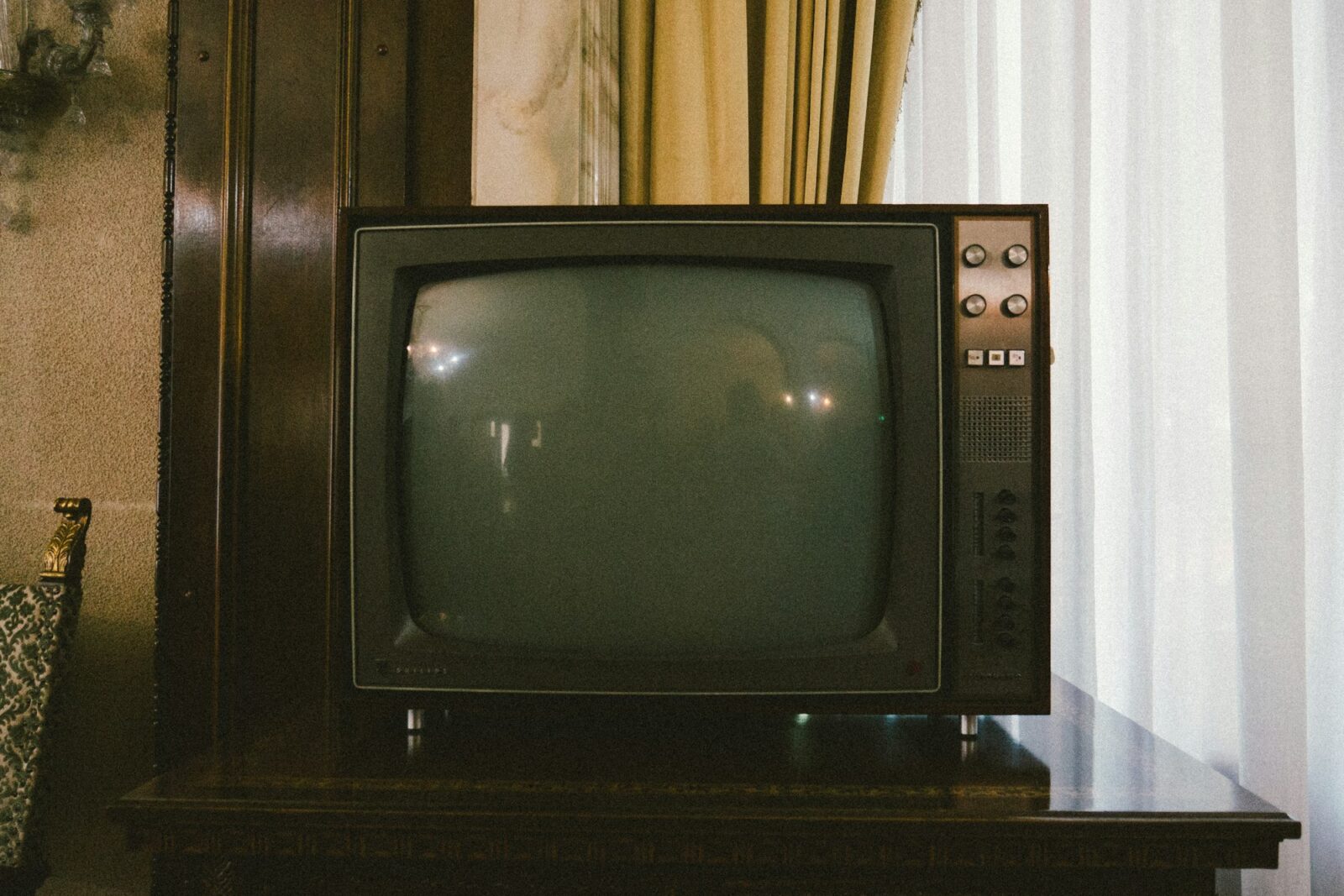
Amidst the ongoing COVID scenario, quite a few students are facing issues pertaining to online lectures and study material. Owing to it, the Uttar Pradesh Secondary Education Board (UPSEB) has launched virtual classes on Swayamprabha channel and nationwide broadcaster Doordarshan for those who can’t afford online classes.
In brief: the scheme delivers online learning through television. Uttar Pradesh Secondary Education Board, Doordarshan and the Swayam Prabha channels carry the lessons, with a weekly drop box at school for answer sheets, for pupils in classes 9 to 12 who cannot join internet classes.
Meanwhile, the student can also study the chapters from the YouTube that have been shared already in the Diksha portal. Along with this, they facilitate offline students with a Dropbox option, where study material would be sent to them. And, once a week they are allowed to submit their answer sheets in the drop-box placed in the school premises.
Online Learning Through Television: Uttar Pradesh Secondary Education Board, Doordarshan and Swayam Prabha
The broadcast route the board is using was built during the first lockdown. On 17 May 2020 the central government brought its digital, online and on-air teaching efforts together under PM eVIDYA as part of the Atma Nirbhar Bharat package, according to the Press Information Bureau. The programme gave every class from 1 to 12 its own free-to-air DTH television channel, twelve in all, so that a lesson could reach a household with a television dish but no data connection. The same framework designates DIKSHA as the national digital platform for school content, which is why the board can point students to the portal’s QR-coded textbook material and its YouTube lessons without building anything of its own.
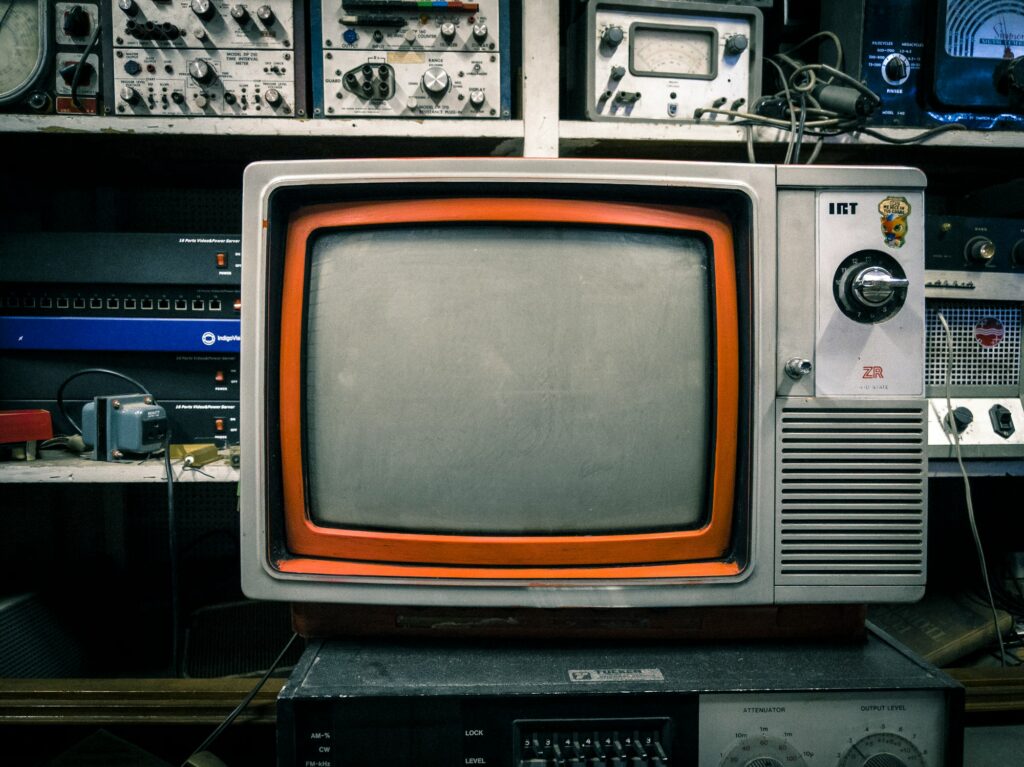
DIKSHA itself runs on the principle the ministry calls one nation, one digital platform, and its QR-coded energised textbooks mean a pupil with a borrowed phone can scan a page of the printed book and reach the matching lesson. The board’s YouTube uploads sit on the same portal, so the television broadcast, the textbook and the video archive all draw on one pool of content.
For Uttar Pradesh the attraction is reach. A satellite television lesson costs the viewer nothing beyond the receiver, needs no smartphone in the child’s hands, and does not stall on a weak village signal. The drop box at the school gate closes the loop on paper: work goes out by broadcast, answer sheets come back by hand once a week.
Why Television Still Matters in Rural Uttar Pradesh
The assumption behind the scheme, that online teaching alone leaves too many children out, is well documented. The Annual Status of Education Report 2021, released on 17 November 2021 by Pratham, found that smartphone availability in rural homes with enrolled children had almost doubled, from 36.5 per cent in 2018 to 67.6 per cent in 2021, yet 26.1 per cent of children with a smartphone at home still could not get access to it when they needed it.
The divide runs along school type as well as income. ASER 2021 found a smartphone at home for 79 per cent of private school children but only 63.7 per cent of those in government schools, which is where the pandemic pushed enrolment: among 6 to 14 year olds, private school enrolment fell from 32.5 per cent in 2018 to 24.4 per cent in 2021, and Uttar Pradesh was among the states where government enrolment rose. The children most likely to depend on a state broadcast lesson, in other words, grew in number through the very period the scheme was running.
Textbooks, at least, were not the problem. Most children, 91.9 per cent, had the books for their grade, the survey found, but in schools that had not reopened only 39.8 per cent had received any learning material beyond those textbooks from their teachers in the week before the survey, against 46.4 per cent where schools had reopened. A free lesson on a television channel, paired with printed material handed over at the school gate, is aimed squarely at that gap.
This was brought into practice from 18th August, and will be a part of 20-21 academic calendar for students of standard 9 to 12, as per the UPSEB circular. According to the circular released on 13th August by Uttar Pradesh government, the examination may or may not be held online or offline, depending upon the Covid-19 guidelines and situation at the time.
This development has come as a wave of relief for students who not were not unable to attend online classes due to some reasons, as they can now learn from television. Along with it, they can also come to the schools to receive and submit their study material and answer sheet respectively, upon premediated duration.
What Has Happened Since
The broadcast experiment outlived the lockdowns that produced it. The Union Budget for 2022-23 expanded PM eVIDYA from 12 to 200 DTH television channels, turning an emergency measure into a standing service that offers supplementary teaching in a range of Indian languages, the education ministry’s summary records. The same programme set a target of 750 virtual laboratories and 75 skilling e-labs by 2023, a sign that on-air and online teaching are now treated as permanent parts of the school system rather than stopgaps.
Online Learning Through Television: Uttar Pradesh Secondary Education Board, Doordarshan and What Followed
Schools in Uttar Pradesh returned to their classrooms as the pandemic receded, and board examinations went back to the examination hall. What remains from this period is the infrastructure: the channels, the DIKSHA content library and the habit, in the poorest households, of treating the television set as a classroom of last resort.
The mechanism stays easy to describe: online learning through television. Uttar Pradesh Secondary Education Board, Doordarshan and a drop box at the school gate carried a year of lessons that the internet alone could not deliver.